What Are the Key Benefits of Using Conductivity Sensors in Industrial Water Monitoring?
Using conductivity sensors has many benefits for industries. First, they provide real-time information about water quality. This means companies can see changes in water quality right away. If there’s a problem, they can act quickly to fix it. For example, if the conductivity levels rise too high, it could mean that there are too many contaminants in the water. Companies can then take steps, like filtering or treating the water, before it causes damage or affects production. Second, these sensors help save money. By monitoring water quality, companies can avoid costly repairs to machinery caused by dirty water. Also, they can reduce waste by ensuring they use water efficiently. Third, they help meet safety regulations. Many industries must follow strict rules about water use. Conductivity sensors make it easier to stay within these rules, which protects the company from fines and legal issues. Lastly, using these sensors can improve product quality. Clean water means better products. For example, in food production, using water with the right conductivity can lead to tastier and safer food. JIDE’s conductivity sensors are designed to meet these needs, making them an excellent choice for industries looking to monitor water quality effectively.
How to Choose the Right Conductivity Sensor for Your Industrial Water Applications?
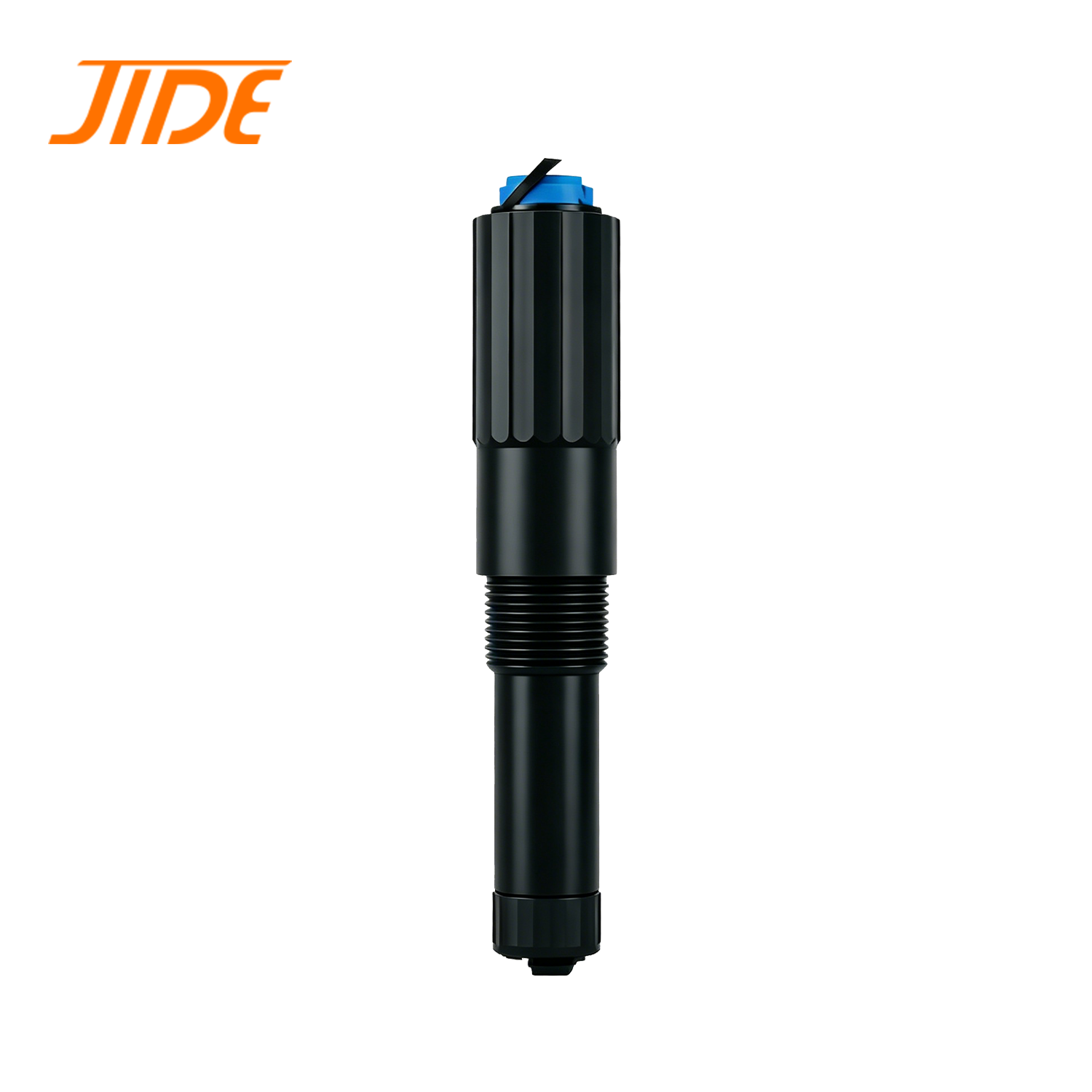
Choosing the right conductivity sensor is important for getting accurate readings. First, consider the type of water you will be testing. Some industries use freshwater, while others might deal with salty or wastewater. Different sensors work better in different types of water. JIDE offers sensors that can be used in various situations, so it’s essential to find one that fits your needs. Next, think about the range of conductivity you need to measure. Some applications require very precise measurements, while others need a broader range. Make sure to pick a sensor that can handle the levels you expect to see. Also, think about how easy the sensor is to use and maintain. Some sensors require more frequent cleaning and calibration than others. Look for a sensor that is user-friendly and requires less upkeep, saving time and effort in the long run. Lastly, consider the cost. While it’s important to find a quality sensor, it’s also crucial to stay within your budget. JIDE provides various options that balance quality and price, helping you find the right sensor without overspending. By taking these factors into account, you can find a conductivity sensor that meets your industrial water monitoring needs effectively.
When looking for high-quality conductivity sensors for wholesale purchase, you want to start by knowing where to find the best options. One of the best places to check is online. Websites that specialize in industrial equipment often have a wide range of conductivity sensors. JIDE, for example, offers a selection of these sensors that are perfect for monitoring water quality. You can browse through different models and compare their features to find the one that suits your needs. Another great place to find conductivity sensors is at trade shows or industrial fairs. These events allow you to meet suppliers in person, see the sensors up close, and ask questions about how they work. You can learn a lot by talking to the experts. Also, many suppliers offer wholesale prices, which means you can buy in bulk and save money. If you want to be sure you are getting quality products, check reviews and ratings from other customers. This feedback can help you make a good choice. Local distributors might also have what you need. They can provide support and service, which can be very helpful. Lastly, don't forget to consider the warranty or guarantee offered by the supplier. A good warranty shows that the company believes in the quality of its products. JIDE provides strong warranties, giving you peace of mind with your purchase. By exploring these options, you can find high-quality conductivity sensors for your needs.
When choosing conductivity sensors for wholesale buying, there are several important features to look for. First, you need to think about the sensor's accuracy. A good conductivity sensor should provide precise readings to help you monitor water quality effectively. Look for sensors that have been tested and certified for accuracy. Another feature to consider is the sensor's range. Different applications might need different ranges, so it's important to choose water ph sensor a sensor that can measure conductivity levels from very low to very high. Durability is also crucial. Since these sensors will likely be used in tough industrial environments, they need to be strong and resistant to damage. JIDE sensors are designed to withstand harsh conditions, making them a reliable choice. Additionally, think about the ease of use. Some sensors have digital displays that make it simple to read the results, while others might require additional equipment. Choose one that matches your level of expertise. It is also helpful to select sensors that are easy to clean and maintain. Maintenance can be a hassle, so the easier it is, the better! Lastly, consider the support and service offered by the company. Good customer service can make a big difference if you have questions or problems with your sensors. JIDE is known for its excellent support, which can help you feel confident in your purchase. By keeping these features in mind, you can choose the best conductivity sensors for your needs.
Conductivity sensors are essential for accurate water quality monitoring vernier ph sensor for several reasons. First, they help measure how well electricity can pass through water, which is an indicator of how many dissolved substances are in the water. This is important because water quality affects many things, like drinking water safety and the health of aquatic life. If the conductivity is too high, it may mean there are too many pollutants in the water, which can be harmful. Using conductivity sensors helps people and industries keep track of these levels and take action when necessary. Another reason these sensors are important is that they provide real-time data. This means you can see the water quality immediately and make quick decisions if something is wrong. For example, if a factory is dumping waste into a river, a conductivity sensor can quickly show a spike in levels, alerting officials to a potential problem. This can help protect the environment and public health. Additionally, conductivity sensors are easy to use and can be installed in different locations, such as rivers, lakes, or even in water treatment plants. JIDE's conductivity sensors are designed to be user-friendly, making them a popular sensor ph air choice for many. They can be connected to monitoring systems that automatically collect data over time. This long-term monitoring helps identify trends and changes in water quality. Overall, conductivity sensors are a vital tool for ensuring that our water stays clean and safe for everyone.